
Appearance
Just as the word implies, ‘appearance’ refers to aesthetic criteria, rather than performance capabilities. Color, grain pattern, texture, knot type and size are the factors that influence the appearance classification.
Available Appearance
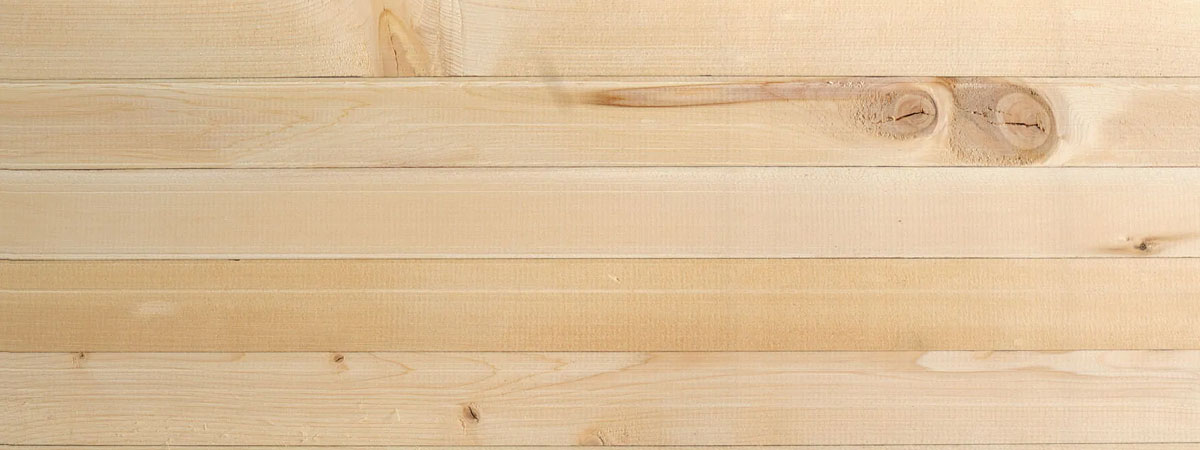
Framing Appearance
Intended for concealed applications and available in widths designed to fit flush with standard wall framing.
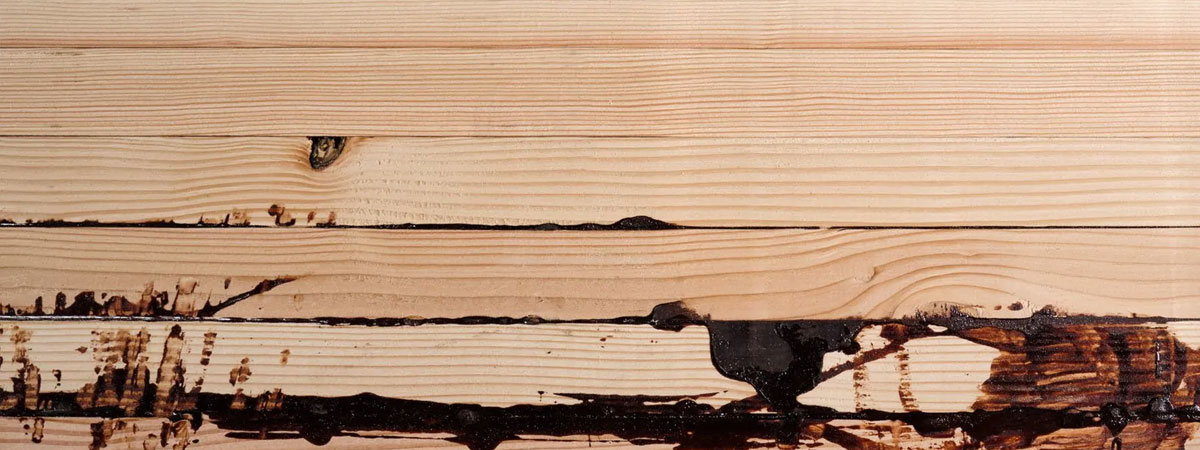
Industrial Appearance
Used in applications where appearance in not primary importance, such as industrial and warehouse buildings.

Architectural Douglas Fir
Used when finished appearance is important but perhaps not the overriding consideration.

Architectural Alaskan Yellow Cedar
Used when finished appearance is important but perhaps not the overriding consideration.
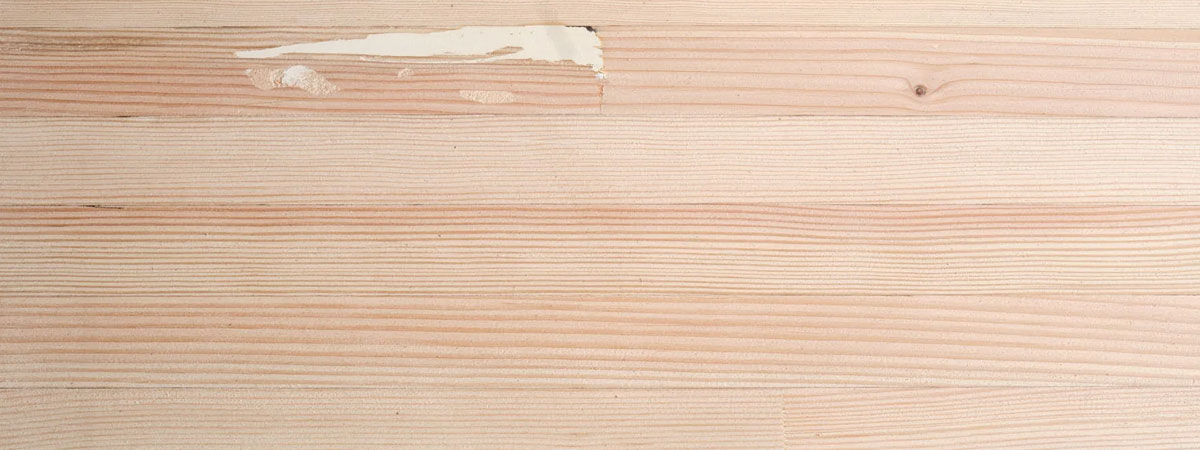
Premium Appearance
Specified for applications in which appearances are critical.
Premium “Hand Select” Appearance
Western Structures’ top appearance classification; for use when aesthetic appeal is of utmost importance.

Available Grades
Typically, when the term “Grade” is used, this is referring to the glulam’s structural design properties. These different grades (e.g. 24F-V4, 26F, etc.) are achieved by varying the percentage and grades of higher quality laminating stock in the beam layup, as well as the use of different wood species.
The ANSI 117: Standard Specification for Structural Glued Laminated Timber of Softwood Species is the uniform standard for glulam strength designations (Grades) utilized in North America.
At Rosboro, all our available grade designations can be found in our proprietary ICC Evaluation Report (ICC ESR-5752). The most commonly used designations are listed below:
Typical Beam Grade Designations and Design Values
| ICC-ESR 5752 | Bending, Fbx (psi) | Compression Perp to Grain, FC (psi) |
Shear FV (psi) |
MOE (106 psi) | ||
|---|---|---|---|---|---|---|
| Layup Designation | Tension Zone | Compression Zone | Apparent | True | ||
| Douglas Fir | ||||||
| 20F-V7 | 2,000 | 2,000 | 650 | 265 | 1.7 | 1.6 |
| 24F-V4-2.0ETRUE | 2,400 | 1,850 | 650 | 265 | 2.0 | 1.9 |
| 24F-V8-2.0ETRUE | 2,400 | 2,400 | 650 | 265 | 2.0 | 1.9 |
| Alaska Yellow Cedar | ||||||
| 20F-V12 | 2,000 | 1,400 | 560 | 265 | 1.6 | 1.5 |
| 20F-V13 | 2,000 | 2,000 | 560 | 265 | 1.6 | 1.5 |
Typical Column Grade Combinations and Design Values
| ICC-ESR 5752 | Bending about Y-Y Axis | Bending about X-X Axis | Compression Parallel to Grain | MOE (106 psi) | |
|---|---|---|---|---|---|
| Layup Combination | Fby (psi) | Fbx (psi) | FC∥ (psi) | Apparent | Min |
| Douglas Fir | |||||
| 1 | 1,450 | 1,250 | 1,550 | 1.5 | 0.79 |
| 3 | 2,100 | 2,000 | 2,300 | 1.9 | 1.00 |
| 5 | 2,400 | 2,200 | 2,400 | 2.0 | 1.06 |
| Alaska Yellow Cedar | |||||
| 69 | 1,100 | 1,000 | 1,150 | 1.2 | 0.63 |
| 70 | 1,400 | 1,350 | 1,450 | 1.3 | 0.69 |
For more available product layups and all applicable design value table notes, reference our ICC Evaluation Report (ICC ESR-5752).